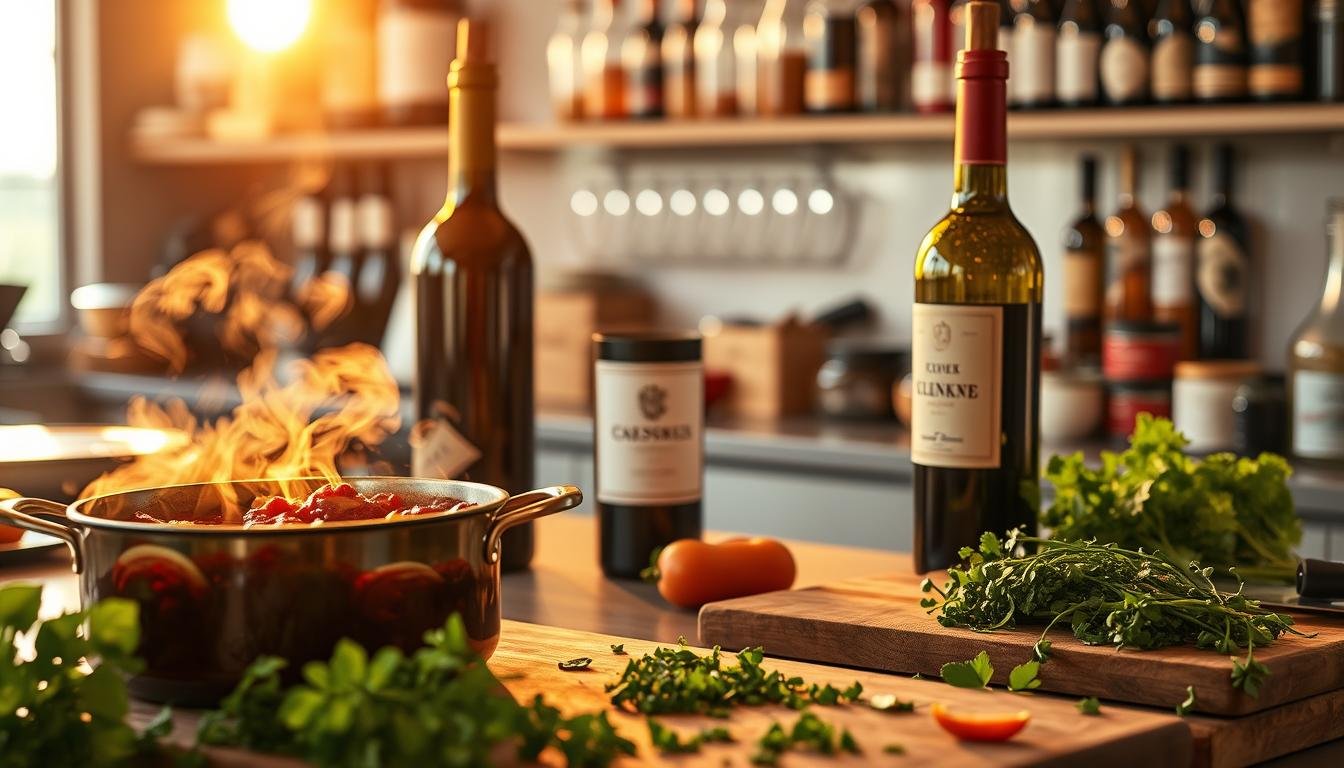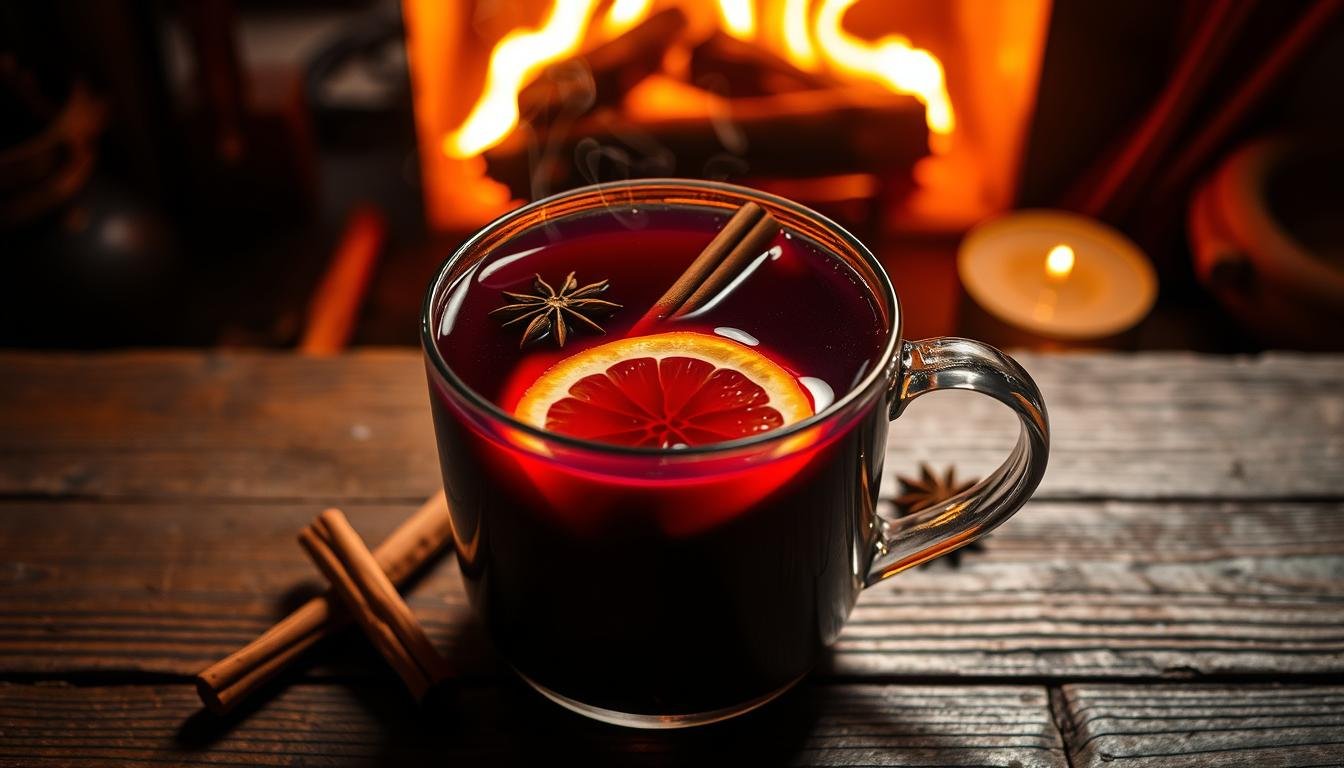
As the cold weather sets in, there’s nothing quite like a warm, aromatic beverage to cozy up with. Mulled wine, a type of spiced wine, is a perfect companion for festive occasions and cold winter nights.
This comforting drink combines the richness of wine with warming flavors of spices, creating a delightful experience. Spiced wine is more than just a holiday tradition; it’s a timeless winter beverage that brings people together.
With various cultures and regions offering their unique twists, spiced wine options are diverse and exciting. From traditional mulled wine to creative variations, this article will explore the different varieties and provide insights into their history, recipes, and serving suggestions.
Key Takeaways
- Discover the rich history and cultural significance of spiced wine.
- Explore traditional and creative spiced wine recipes.
- Learn how to customize spiced wine to suit your taste preferences.
- Find out how spiced wine can create a cozy atmosphere for any gathering.
- Get tips on serving spiced wine for the best experience.
The Warm Embrace of Spiced Wine
As winter sets in, the allure of spiced wine grows stronger, offering a warm and comforting escape from the cold. Mulled wine is more than just a holiday tradition; it’s a timeless winter tradition that brings people together.
What Makes Spiced Wine Special
The unique appeal of spiced wine lies in its sensory experience. The aromatic spices combined with the warmth of the wine create a rich flavor profile that evolves with each sip.
A Seasonal Tradition
Spiced wine has become a holiday tradition across many cultures, particularly during winter celebrations. It’s a drink that not only warms the body but also brings people together, creating a sense of community and festive atmosphere.
| Aspect | Description | Benefit |
|---|---|---|
| Aromatic Spices | Cinnamon, Cloves, Nutmeg | Enhances flavor and aroma |
| Wine Base | Red, White, or Rosé | Offers variety in taste |
The Rich History of Mulled Wine
The history of mulled wine is a rich tapestry that spans centuries, with roots tracing back to ancient civilizations. This warm, spiced beverage has been a comfort drink during the cold months, evolving over time to become an integral part of various cultural traditions.
Ancient Origins
Mulled wine originated in ancient Rome, where people would heat wine and mix it with spices like pepper and honey to create a medicinal drink believed to ward off the cold and promote health. This practice not only added flavor to the wine but also served as a method to preserve it, making less palatable varieties more enjoyable.
Regional Names and Traditions
As the tradition of mulled mulled wine spread throughout Europe, it evolved into various regional specialties. In Germany, it was known as “glühwein”; in France, “vin chaud”; and in Nordic countries, “glögg.” Each region developed its unique mulled wine recipes, incorporating local spices and traditions, thus enriching the cultural heritage associated with this drink. Today, mulled wine remains a cherished wintertime beverage, connecting people to their cultural past while adapting to contemporary tastes.
Essential Spiced Wine Options

The art of spiced wine is largely defined by two distinct varieties: traditional mulled wine and white spiced wine. These two options offer unique experiences while maintaining the warming, spiced characteristics that define the category.
Traditional Mulled Wine
Traditional mulled wine is a classic wintertime treat, often associated with the warmth and coziness of the holiday season. Made with red wine, typically a full-bodied variety, it’s heated with a mix of spices like cinnamon, cloves, and nutmeg, creating a rich, robust flavor profile. The spices complement the bold flavors of the red wine, resulting in a drink that’s both comforting and invigorating.
The flavor profile of traditional mulled wine is reminiscent of childhood nights spent around a warm fireplace, singing Christmas carols. It’s a big, fruity red wine crossed with a spicy batch of apple cider, with a hit of spirit and a sprinkle of holiday magic.
White Spiced Wine
White spiced wine offers a lighter, more aromatic alternative to traditional mulled wine. Made with white wine, it’s often infused with different spice profiles that complement its crisper flavor. The result is a refreshing, yet still warming, drink perfect for those looking for a change of pace from the classic mulled wine.
White spiced wine is ideal for occasions where a lighter touch is desired, and its unique flavor profile can be a delightful surprise for those accustomed to traditional mulled wine.
Choosing the Perfect Wine Base
The key to a fantastic mulled wine is selecting a wine that complements the spices and other ingredients. The right wine base forms the foundation of the beverage, and its quality significantly impacts the final taste.
Red Wine Varieties
For mulled wine, it’s best to use dry and full-bodied red wine varieties. Options like Cabernet Sauvignon, Grenache, Zinfandel, or Syrah are ideal because they can stand up to the other flavors without becoming too sweet. Zinfandel is a classic choice, but Merlot or Garnacha (also called Grenache) work well too, offering dark, fruity, and full-bodied profiles that support the mulling spices.
| Red Wine Variety | Characteristics |
|---|---|
| Cabernet Sauvignon | Full-bodied, robust tannins |
| Zinfandel | Fruity, full-bodied |
| Grenache/Garnacha | Fruity, smooth |
Wine Quality Considerations
When choosing a bottle of wine for mulled wine, you don’t need to opt for the most expensive option, but selecting a decent wine is crucial. Look for wines that are jammy, fruit-forward, and full-bodied, as these characteristics will enhance the spices rather than compete with them. Avoid wines that are overly tannic or too acidic, as they may not mellow out well with the added spices. A mid-range wine often works best for mulled wine, providing a good balance between quality and price.
The Art of Spicing
Mulled wine’s signature flavor is largely attributed to the careful selection and combination of spices. The art of spicing is what transforms ordinary wine into a warm, aromatic beverage perfect for cold weather.
Classic Mulling Spices
Traditional mulled wine recipes often include a core set of spices: cinnamon sticks, cloves, nutmeg, and allspice. Cinnamon provides a warm, sweet flavor, while cloves add a pungent, slightly bitter note. Nutmeg contributes a slightly sweet, nutty flavor, and allspice brings a complex blend of sweet, spicy, and herbal notes. Using whole spices rather than ground versions allows for better flavor infusion and easier straining.
Creative Spice Combinations
Beyond the classic spices, there are numerous creative combinations to explore. Adding star anise introduces a sweet, licorice-like flavor, while cardamom adds a unique, aromatic spice note. Some recipes also benefit from a hint of black pepper, which enhances the overall spice flavor. Experimenting with different spice ratios and combinations allows you to tailor your mulled wine to your personal taste preferences.
By balancing the various spice flavors, you can create a custom blend that maintains the essential character of mulled wine while reflecting your individual taste.
Sweeteners and Additional Ingredients
To elevate your mulled wine experience, consider the impact of sweeteners and additional ingredients. The right balance of sweetness can transform your mulled wine, making it a truly special drink.
Natural Sweeteners
Natural sweeteners like honey, maple syrup, and brown sugar play a crucial role in balancing the tannins in wine and complementing the spices in mulled wine. Each sweetener contributes unique flavor notes; for instance, honey adds a floral hint, while maple syrup provides a rich, velvety texture. When choosing a sweetener, consider the flavor profile you wish to achieve. A mix of honey and molasses can add depth without overpowering the other ingredients.
Fruit and Citrus Elements
Citrus elements, such as orange and lemon, are essential in mulled wine, adding brightness and complexity. The zest and juice of these fruits contribute different flavor components; zest provides a more intense citrus flavor, while the juice adds a refreshing touch. Slicing citrus fruits like navel or blood oranges and adding them to your mulled wine can enhance its flavor. Additionally, incorporating other fruits like apples or cranberries can add depth and texture, creating a signature mulled wine recipe.
- Use natural sweeteners to balance the tannins and complement the spices.
- Experiment with different citrus and fruit elements to add complexity.
- Adjust sweetness and fruit components based on the wine base and spice combination.

Classic Mulled Wine Recipe
There’s nothing quite like sipping on a rich, spiced mulled wine to warm up on a chilly evening. This classic recipe combines the perfect blend of spices and ingredients to create a truly comforting drink.
Ingredients List
To make this delicious mulled wine, you’ll need the following ingredients:
- 750 ml dry, fruity red wine (1 bottle) — Merlot, Zinfandel, or Cabernet Sauvignon
- 2 cups apple cider
- ¼ cup honey
- 1 orange, zested and juiced
- 5 whole cloves
- 4 green cardamom pods
- 2 cinnamon sticks
- 1 whole star anise
- ¼ cup brandy
- Orange slices for garnish
- Cinnamon sticks for garnish
Step-by-Step Instructions
Follow these steps to create your mulled wine recipe:
- Add wine, cider, honey, orange zest, and orange juice to a Dutch oven or large pot and stir to combine.
- Add the cloves, cardamom, cinnamon sticks, and star anise.
- Bring to a simmer over medium-high heat, then reduce to low and let simmer gently for 30 minutes; avoid boiling.
- Stir in the brandy.
- Ladle into mugs and garnish with an orange slice and cinnamon sticks.
This mulled wine recipe serves as a great base that you can adjust to your taste preferences. Feel free to experiment with different spices or sweeteners to create your perfect blend.
Preparation Methods
There are multiple ways to make mulled wine, with the stovetop and slow cooker being the most popular. Both methods have their advantages and can be chosen based on the occasion and personal preference.
Stovetop Technique
The stovetop method allows for quick preparation and control over the heat. To make mulled wine on the stovetop, pour the wine into a large pot, add whole spices, apple cider, and orange citrus. Heat the mixture over low heat, ensuring it doesn’t boil. Simmer for about 20-30 minutes to allow the spices to infuse.
Slow Cooker Method
For a more convenient and hands-off approach, especially when hosting, the slow cooker is an excellent option. Simply add all the ingredients to the slow cooker and set it to low. The slow cooker keeps the mulled wine warm for hours, making it perfect for parties. Cook on low for 2-3 hours.
| Method | Time | Benefits |
|---|---|---|
| Stovetop | 20-30 minutes | Quick, control over heat |
| Slow Cooker | 2-3 hours | Convenient, keeps warm |
Regardless of the method, the key to making great mulled wine is to monitor its temperature and flavor. Adjust the spices and sweetness to taste. With these simple methods, you can make mulled wine that’s perfect for any gathering.
Serving and Pairing Suggestions
The art of serving mulled wine involves more than just heating it up. It’s about creating an experience that complements the drink’s rich flavors.
Ideal Serving Temperature
Serving mulled wine at the right temperature is crucial. It should be warm enough to enhance its aromas but not so hot that it burns your tongue. The ideal serving temperature is between 160°F and 180°F. To maintain this temperature throughout your event, consider using a thermally insulated pitcher or a slow cooker. Traditional mugs or heat-resistant glassware are perfect for serving, as they retain heat and add to the festive ambiance. You can also garnish with orange slices, cinnamon sticks, or star anise to enhance the presentation.
Perfect Food Pairings
Mulled wine is a versatile drink that pairs well with a variety of foods, making it perfect for winter gatherings. For an elevated experience, consider pairing it with hard cheeses like Gouda or cheddar, or creamy Brie. Charcuterie boards with cured meats such as prosciutto or salami also complement the spice and fruitiness of mulled wine. Additionally, sweet treats like gingerbread cookies and fruit tarts are ideal accompaniments. For a more substantial snack, candied or roasted nuts can be a delightful match. For more information on food and wine pairing, you can visit this resource.
Creative Variations to Try
The world of mulled wine is not limited to traditional recipes; there are many creative variations to explore. These innovative twists not only enhance the flavor profile but also offer a refreshing change from the classic mulled wine recipe.
Apple Cider Mulled Wine
Replace part of the wine with apple cider for a fruitier, lighter version of mulled wine. The apple cider adds sweetness and depth, complementing the spices perfectly. A ratio of 75% wine to 25% cider works well, adjusting spice and sweetener quantities accordingly.
Non-Alcoholic Options
For a non-alcoholic version, use grape juice, cranberry juice, or pomegranate juice as a base. Follow the same recipe for spicing and sweetening. These alternatives offer a similar flavor profile without the alcohol, making it accessible to everyone. Experiment with different juices to find your favorite flavor.
Spiced Wine Cocktails
Feel free to experiment with spiced wine cocktails by mixing mulled wine with other beverages. Combine it with spirits or juices for a unique drink. For example, mixing mulled wine with bourbon and a splash of citrus creates a delightful cocktail. The possibilities are endless, so get creative!
| Variation | Description | Key Ingredients |
|---|---|---|
| Apple Cider Mulled Wine | Fruity and lighter version | Red wine, apple cider, cinnamon |
| Non-Alcoholic Mulled Wine | Similar flavor without alcohol | Grape juice, spices, citrus |
| Spiced Wine Cocktails | Unique mixed drinks | Mulled wine, bourbon, citrus |
Conclusion: Embracing the Warmth of Spiced Wine
Embracing the warmth of spiced wine means embracing a tradition that spans centuries and cultures. Throughout this article, we’ve explored the rich history, diverse spiced wine options, and various preparation methods that make mulled wine a beloved winter beverage. From traditional mulled wine recipes to creative variations, the versatility of spiced wine is evident in its ability to be both a simple homemade treat and a sophisticated offering for gatherings.
As you experiment with different recipes and flavors, you’ll discover your personal favorite among the many spiced wine options. The act of preparing and sharing mulled wine creates connections and memorable experiences, making it a perfect addition to your winter traditions. Whether you’re looking to revive an old family tradition or start a new one, the warmth and joy that spiced wine brings to the winter season are undeniable. So, as the cold weather sets in, invite the warmth of mulled wine into your home and make it a cherished part of your seasonal celebrations.